
Environmental impact
- Greater use of fertilizers and other chemical products: If you waste you have to maintain a high overall volume of production and to do that use large amounts of fertilizers, pesticides and other chemicals petroleum derived
This involves:
– intoxication of workers;
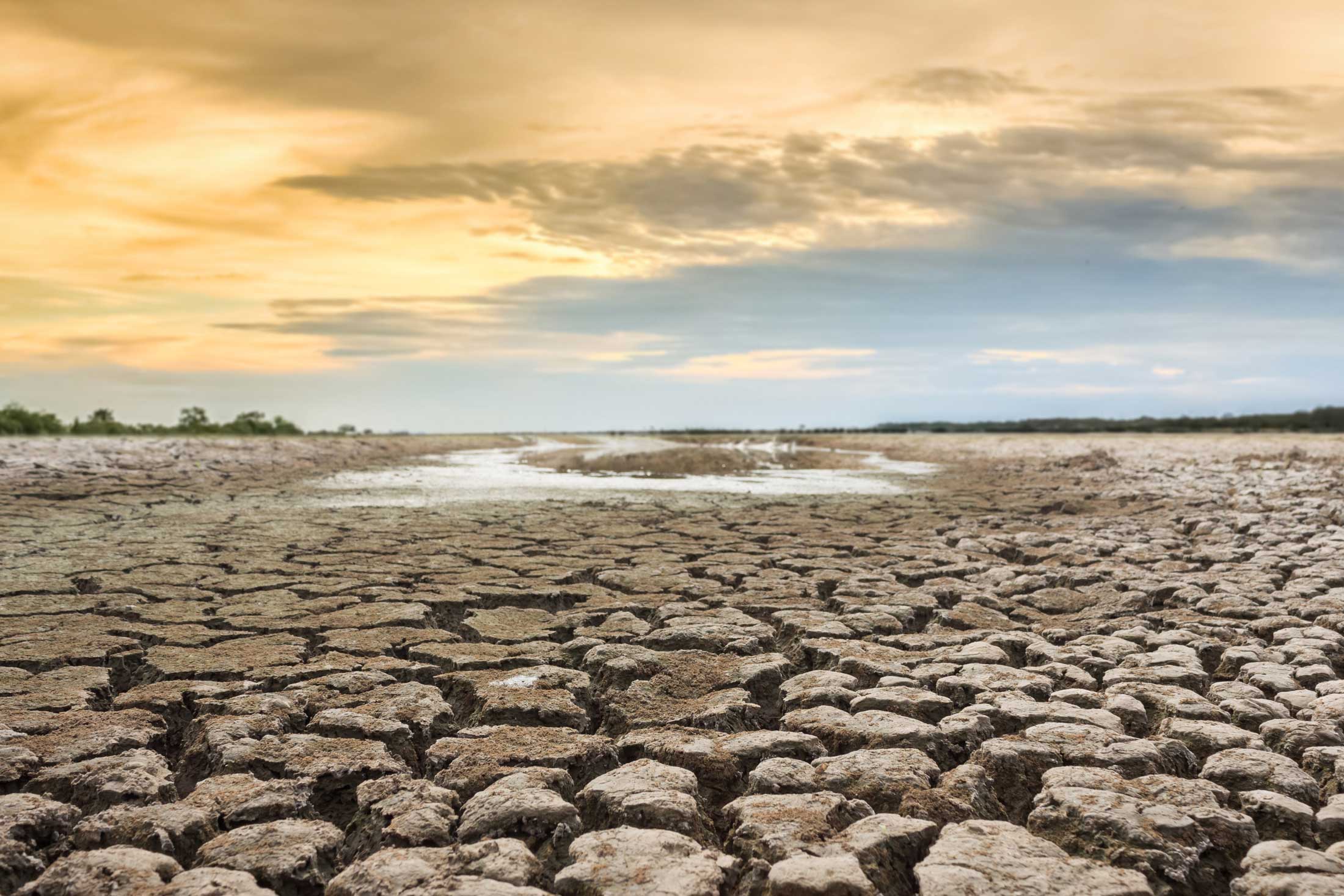
– progressive soil desiccation;
– pollution of rivers, lakes, oceans, and aquifers;
– the presence of chemicals in food.
- CO2 and methane emissions into the atmosphere: here too the increasing volumes of production leads to the increasing of carbon dioxide and methane emissions, greenhouse gases responsible for the increase in average temperature in Earth’s atmosphere (global warming). Let us keep in mind, by the way, that the emissions occur at three different stages: production, transportation and finally waste disposal.
- Reduction of fish stocks: the practice of discarding part of the catch at sea, which could instead be used for food consumption, causes overfishing of the most sought-after species and simultaneously contributes to the reduction of fish stocks already severely compromised by destructive fishing techniques. The FAO has estimated that 28% of marine fish stocks are fished at or beyond the limit of depletion. Some species are now endangered and should never appear on consumers’ plates: these include bluefin tuna, tropical shrimp, wild salmon (Atlantic), swordfish, and shark (smooth-hound, blue shark, shortfin mako, spiny dogfish), and rays.
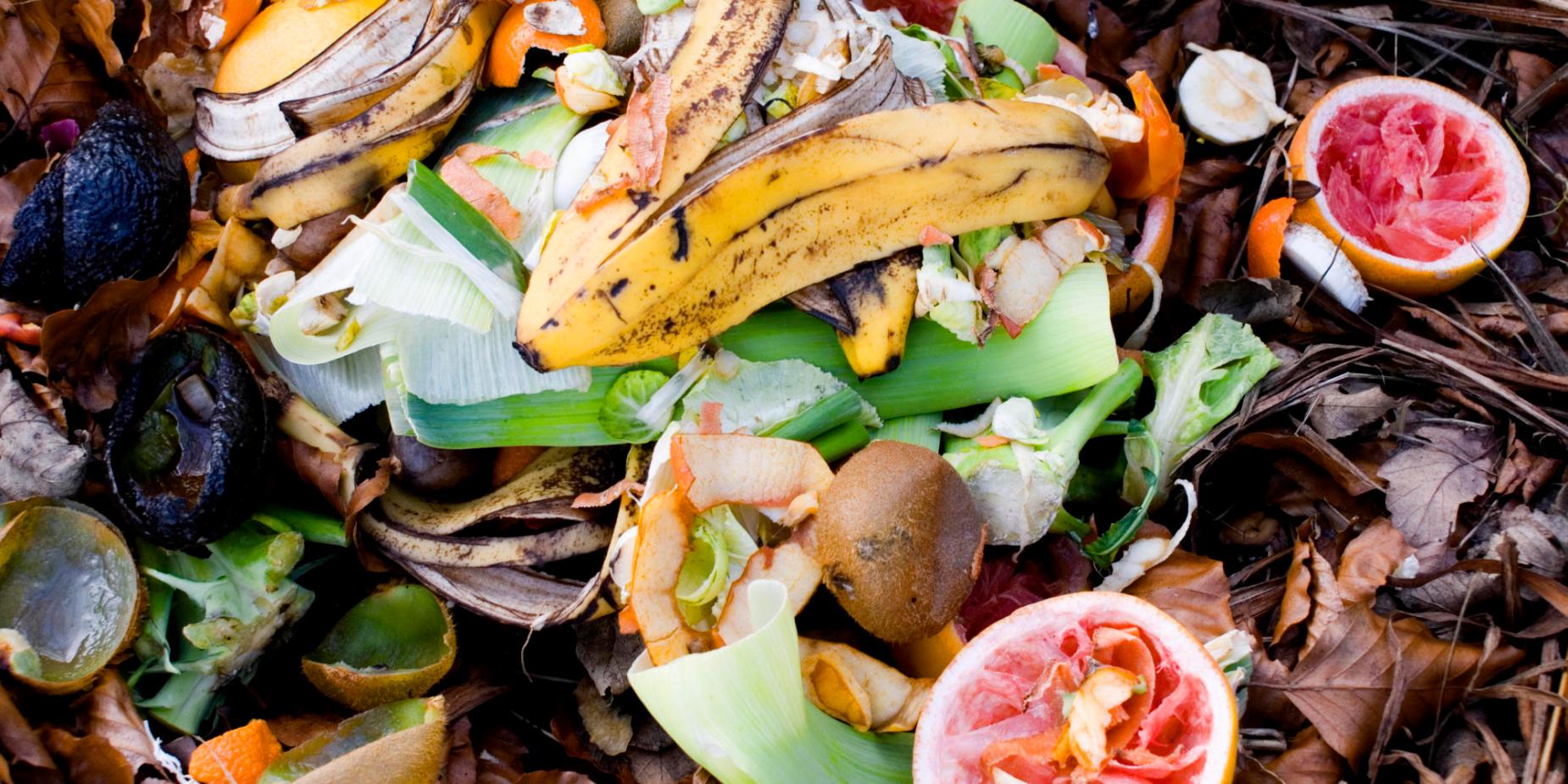
- Increase in the volume of waste: waste, increases the overall amount of waste material produced, a phenomenon which in itself has a strong environmental impact because most of disposal systems in use today presents criticalities. In particular, it is well known that landfills tend to pollute aquifers and incinerators produce fine particles whose effect on health, although not considered harmful, it is difficult to consider innocuous. We should then allocate the organic waste for composting.
- Struggling to cope with the increase in food demand resulting from population growth: according to demographers in the year 2050 the world population will reach its peak, while after that date it will begin to decline.In numbers, it is estimated that by 2050 our ‘ little planet ‘ will host more than 7 billion people, with a food demand reaching up to 70% of the present demand.
The problem is, if we keep wasting food at this rate by 2050 we will be forced to increase our food production to feed the growing world population, thus exacerbating all the undesirable consequences expounded in this section. On the contrary, by reducing the rate of waste we could mitigate the effects of food demand growth within tolerable limits.
- The water crisis: the agricultural and food industry absorbs, globally, around 70% of the available water resources. It seems clear how waste as well as more and more ‘draining’ eating habits greatly contribute to aggravate water scarcity, occurring both as a result of global warming, and pollution of many reservoirs, by the increasing demand from emerging economies and by the problem of water dispersions in the aqueduct networks.
Download PDF for more information:
In Italy, the agriculture sector emits 33 million tons of CO2 equivalent, making it the second largest contributor to greenhouse gas emissions nationwide.
Fonte: Istituto Superiore per la Protezione e la Ricerca Ambientale (ISPRA)
Do you know what is your water consumption each day? 137 litres for domestic use, 167 for objects of daily use, 3496 litres for the food we eat
Source: From Kyoto to Milan, Barilla Centre for Food & Nutrition, November 2013
Economic consequences
- Decrease in income: if we spend money to buy food that we are not consuming, we find ourselves unable to use that money to meet needs (housing, education, health, clothing, etc..), to the detriment of our lifestyle and the general economy.
- Increasing cost of waste disposal: food waste generate a large amount avoidable waste material whose disposal concurs to the high cost of the service as well as to the level of the corresponding tax levy.
- Unnecessary energy consumption: throw away edible food means a dual energy waste: the one contained in the product and the one that is used in the production process. A loss that becomes triple when you need to consume energy during disposal of the other food became waste.
Research at Stockholm University has quantified the energy input required for a cheeseburger served in fast food restaurants in a variable value between 7,500 and 20,000 kcal / kg
Ethical and social consequences
- Poor quality diet of weakest segment of the population: the phenomenon of food waste keeps up a high demand level; therefore, those who handle the offer can keep prices at a mid/high range. This applies especially to high-quality products that are becoming less accessible to those segments of the population, which, because of the crisis, have entered the category of ‘new poor’.
- As a result, the rich (who, meanwhile, are getting richer) keep on maintaining a high standard of living, while the poor (individuals or groups) are forced to eat less and, worst of all, to follow an unhealthy diet. It is no coincidence that today, for the first time in human history, the poor are fatter than the rich because they feed on junk.
Every year are wasted 1.3 billion tons of still edible food worldwide, about 4 times the amount needed to feed the 870 million hungry people in the world.
Source: From Kyoto to Milan, Barilla Center for Food & Nutrition, November 2013